mentioned in despatches

Commemorating the Fallen of WW1

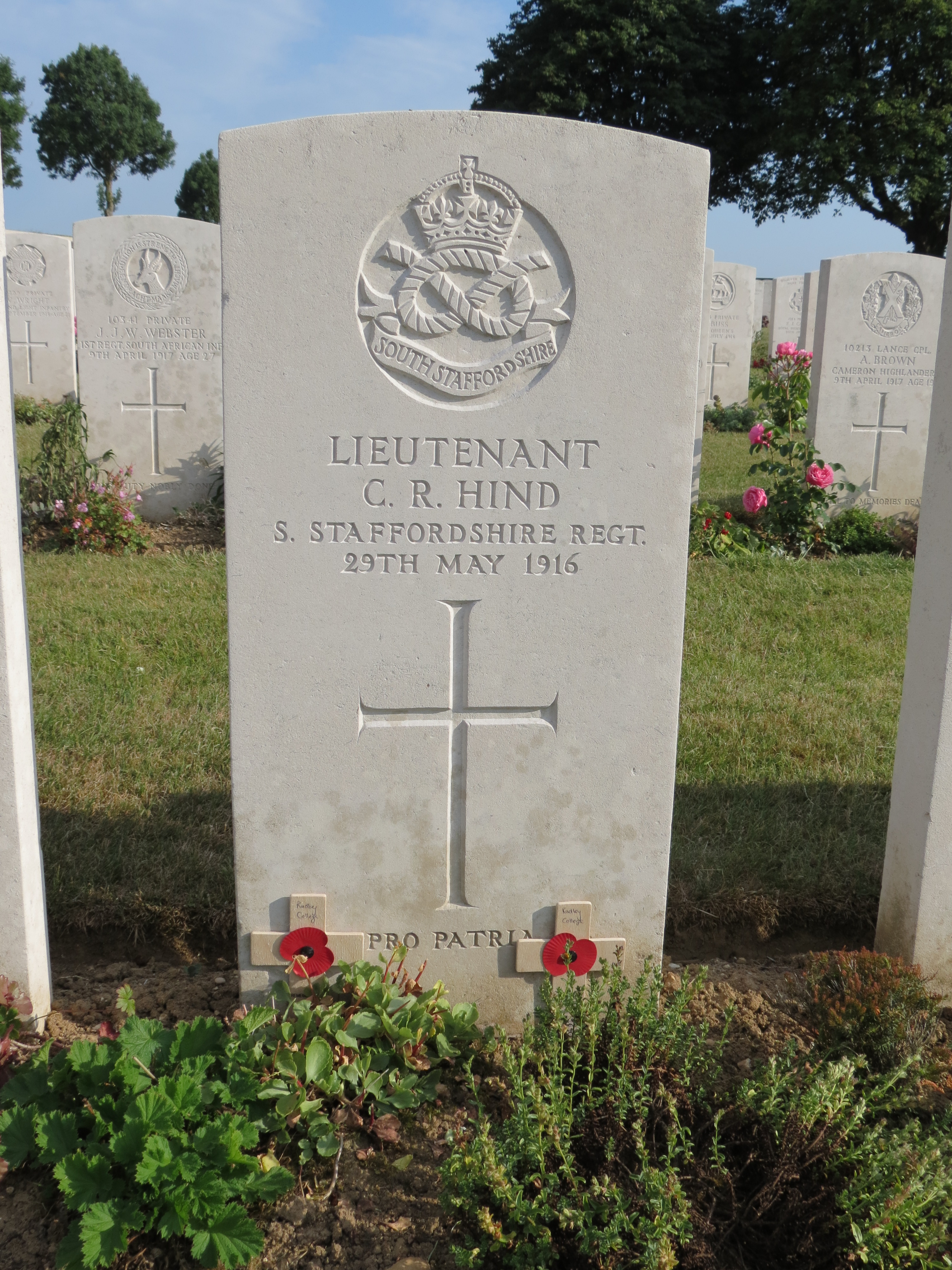
The grave of Charles Hind at Cabaret Rouge Cemetery. Photographed for 'Marching in Memory' for Combat Stress, July 2015

The grave of Charles Hind at Cabaret Rouge Cemetery. Photographed for ‘Marching in Memory’ for Combat Stress, July 2015

Today we remember …

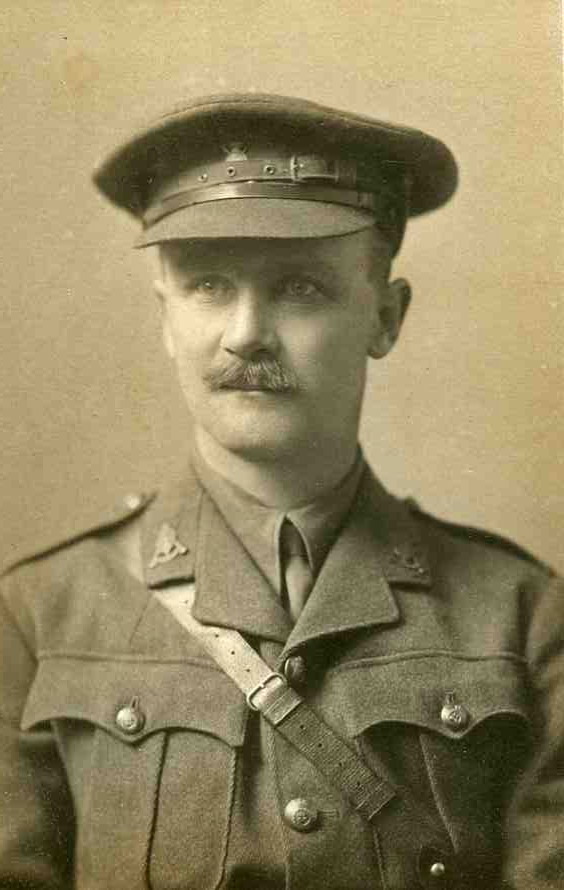
30th May 1916.  Charles Hind,  B Social, 1907.  Lt, 2nd Bn, South Staffordshire Regt.  Killed in action in an unknown engagement in France.
At Radley he was Head of B Social and Captain of Cricket.  After leaving school he planned to become a doctor. As a medical student he had almost completed two years’ study at Pembroke College, Cambridge, when the war began. He took a commission in the South Staffords, and throughout 1915 he had commanded a brigade grenade company in France. He was mentioned in despatches. 

Aged 22

Charles Hind, Lt, 2nd Bn South Staffordshire Regt.  kia 19 May 1916

Charles Hind, Lt, 2nd Bn South Staffordshire Regt. kia 19 May 1916

Commemorating the Fallen of WW1

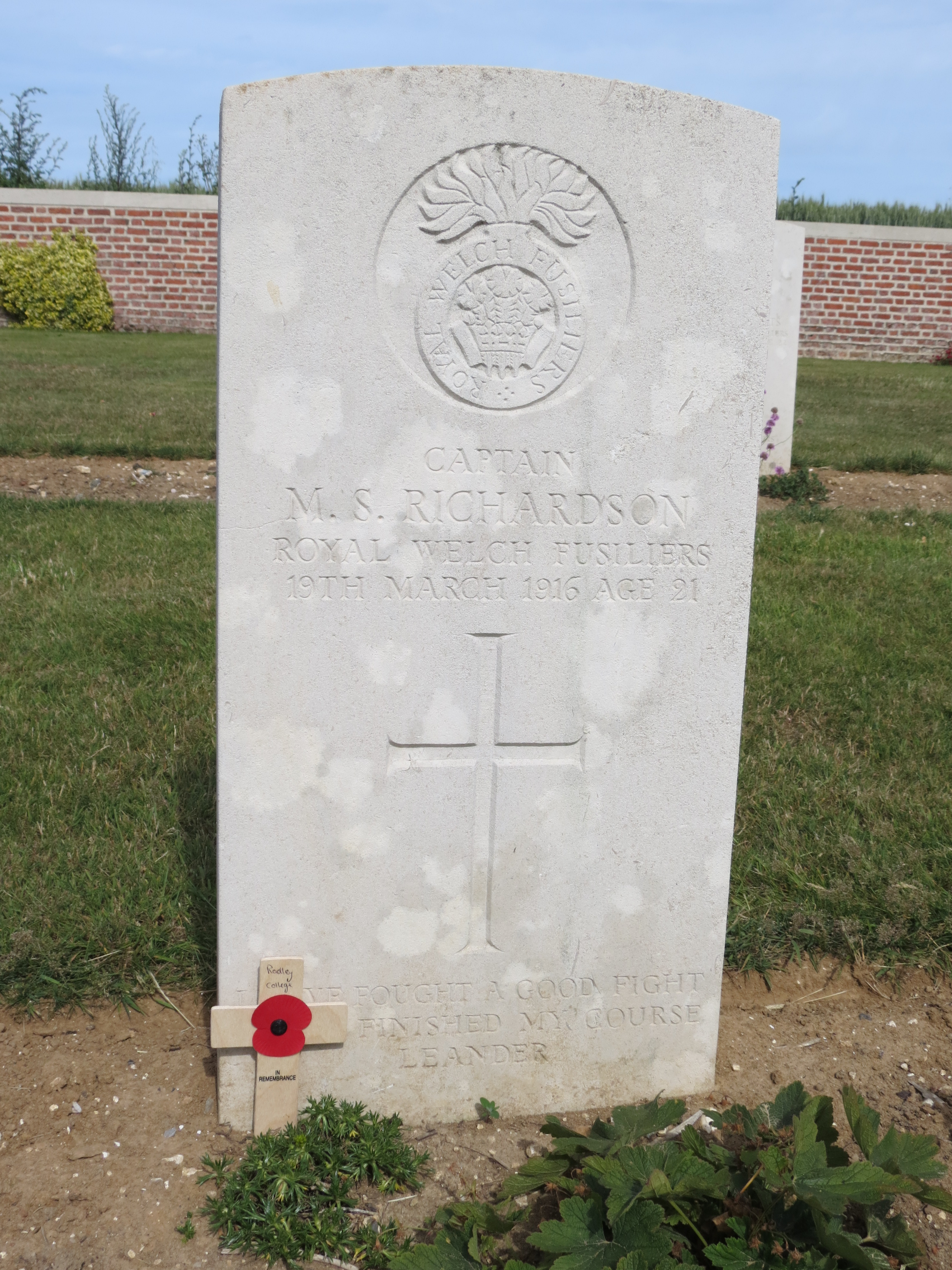
The grave of Mervyn Richardson at Point 110 Cemetery.  Photographed for 'Marching in Memory' for Combat Stress, July 2015

The grave of Mervyn Richardson at Point 110 Cemetery. Photographed for ‘Marching in Memory’ for Combat Stress, July 2015

Today we remember …

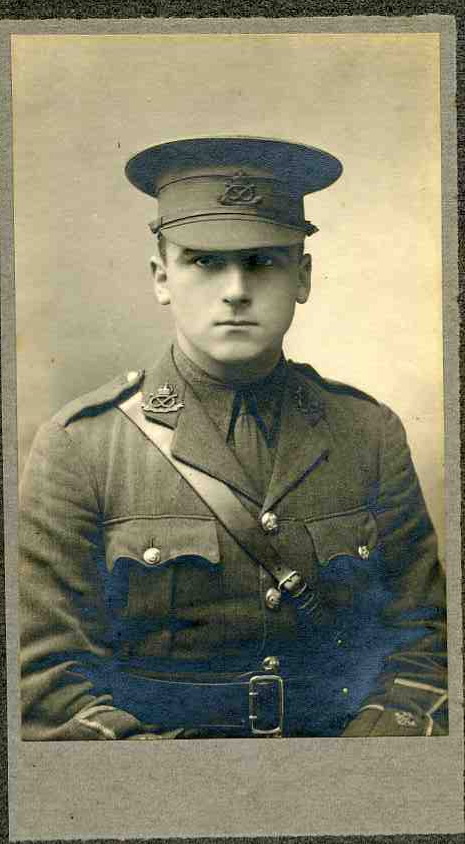
19th March 1916.  Mervyn Richardson, D Social, 1908.  Capt, 1st Bn, Royal Welsh Fusiliers.  Died of wounds received in an unknown engagement.‘Tracker’ Richardson was one of the young officers mentioned in Siegfried Sassoon’s diary, which became his fictional Memoirs of a fox-hunting man. At Radley he was Captain of the Boats, and rowed twice at Henley in the Ladies’ Plate, rowing No. 6 in the winning heat v. University College, Oxford, in 1912. He was a member of the Leander Club. After leaving school, he attended Sandhurst, then went straight out to the Western Front in 1915. He was Mentioned in Despatches.  A letter from the Regimental Chaplain to his parents describes the scene of his funeral:CHAPLAIN’S LETTER, March 22 (Wed.).

DEAR SIR,-You might care I think to know the details of your son’s burial and last resting place from the Chaplain of the Regiment?… Your son was the most gallant and best loved of a gallant band of young officers… I have been with the battalion a year, and through more than one action, yet I do not remember so solemn a funeral or such real quiet grief. It took place on Tuesday night at 9.45. The little burial ground lies in a slight hollow only 100 yards behind the front lines. The nearest village is Reanite, near Albert, but from there it is a walk of two miles over rolling chalk downs to the line. The little plot is reverently tended, and a cross already in position on the grave. At the end of the war you will find no difficulty in finding it and tending it as you like.

As we left the dug-outs for the cemetery, two canisters burst quite near with a deafening roar. There in the darkness I took the service. All the officers were present and many men. The moon came out in the middle, and shone on the grey steel helmets of the group, and made the colours of the Union Jack that lay on the body gleam. The service ended, to the roar of another German canister, more suitable perhaps to the occasion than any organ.

Eric Milner-White

Aged 22

Mervyn Richardson, Captain, 1st Bn, Royal Welsh Fusiliers.  Died of wounds 19 March 1916

Mervyn Richardson, Captain, 1st Bn, Royal Welsh Fusiliers. Died of wounds 19 March 1916

Commemorating the Fallen of WW1

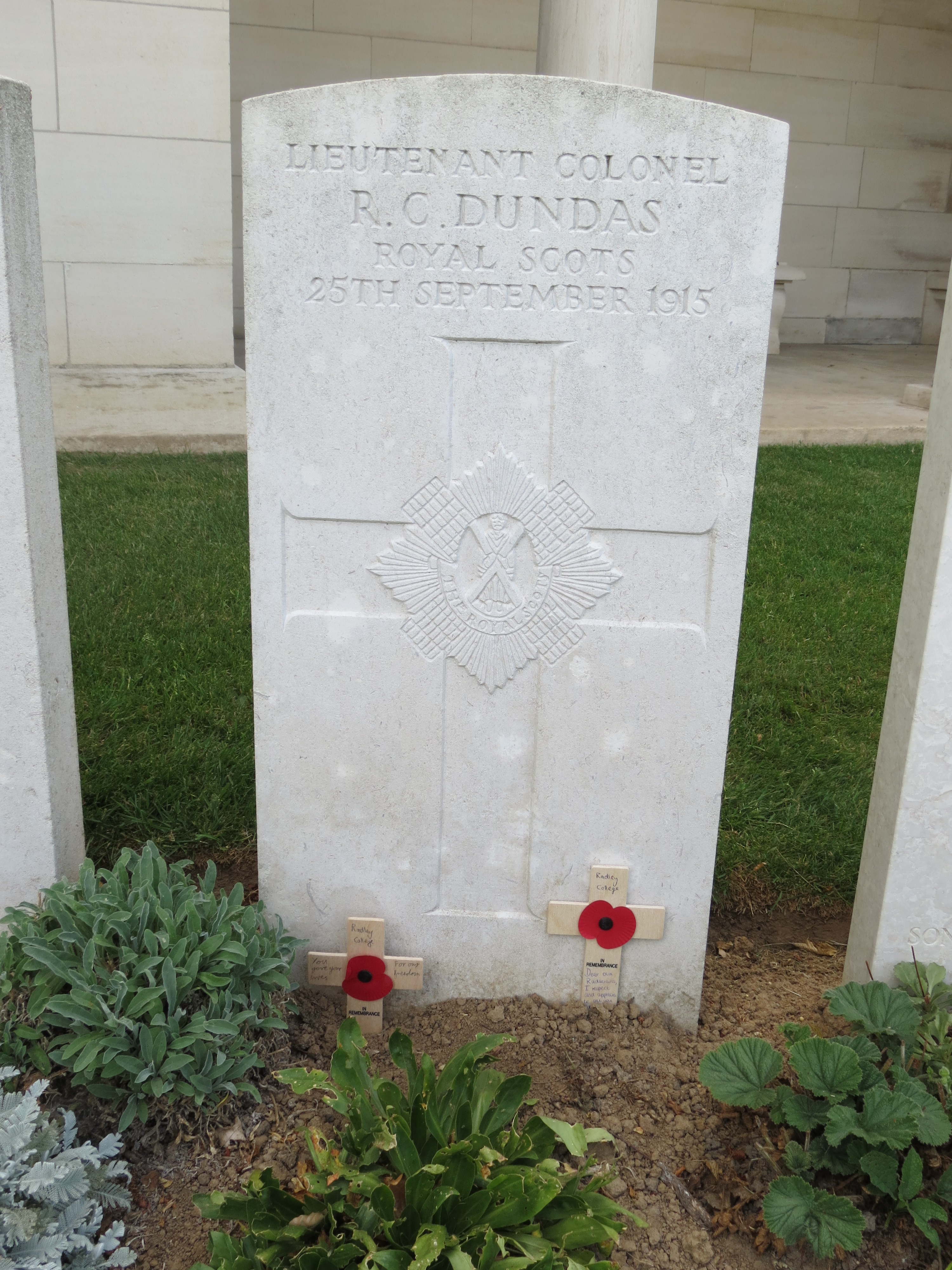
The grave of Richard Dundas at Cabaret Rouge.  Photographed for 'Marching in Memory' for Combat Stress, July 2015

The grave of Richard Dundas at Cabaret Rouge. Photographed for ‘Marching in Memory’ for Combat Stress, July 2015

25th September 1915

Battle of Loos

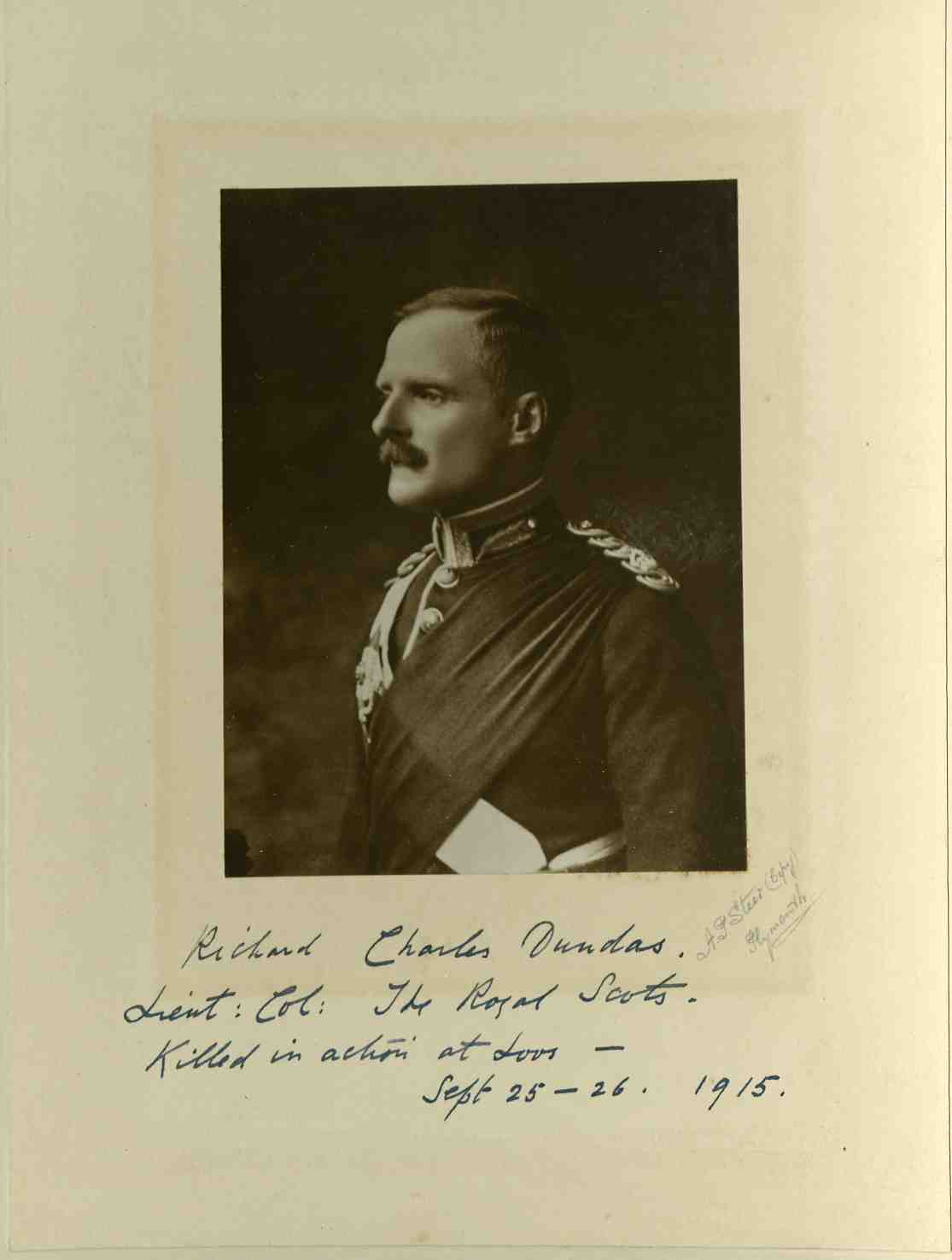
Richard Dundas, D Social 1882.  Lt-Col commanding, 11th Bn, The Royal Scots.  Reported missing, presumed killed in action on the first day of the Battle of Loos, along with most of his battalion. ‘His magnificent and heroic leadership at Loos will never be forgotten, and his loss there cannot be too much deplored. His was a great personality and attractive nature, absolutely just and true, unfailing in sympathy and courtesy to all, untiring in work, an ideal soldier, with the keenest of brains, who jealously guarded the honour and traditions of the regiment that he loved, lived, and died for, and to which his loss is irreparable.” The Times.

He was a career soldier whose family had served in the regiment since 1670. Like Cecil Palmer (killed at Gallipoli) he had come out of retirement to command one of the newly formed battalions.

Richard Dundas, Lt-Col commanding 11th Bn, Royal Scots.  Missing 25 September 1915

Richard Dundas, Lt-Col commanding 11th Bn, Royal Scots. Missing 25 September 1915

Commemorating the Fallen of WW1

Today we remember …

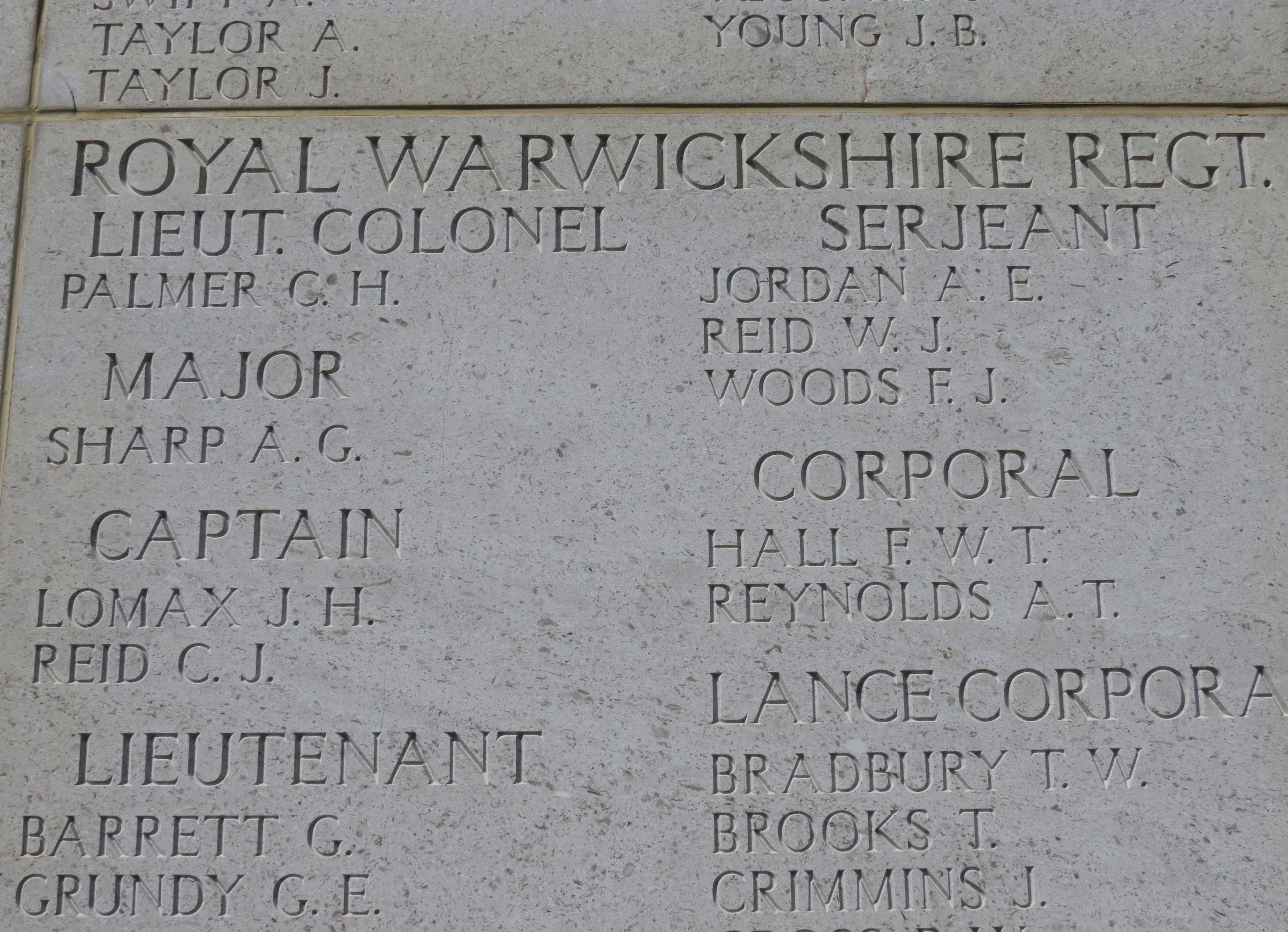
26th July 1915.  Cecil Palmer,  H & G Socials 1888.  Lt-Col commanding, 9th Bn, Royal Warwickshire Regt.  Killed in action at Gallipoli.  The Warwickshires were one of Kitchener’s newly recruited forces. Cecil Palmer, a career soldier, was called up from retirement to command them.  He left a widow and three children.  Aged 42

Cecil Palmer. Lt-Col commanding 9th Bn, Royal Warwickshire Regt.  kia 26 July 1915

Cecil Palmer. Lt-Col commanding 9th Bn, Royal Warwickshire Regt. kia 26 July 1915

The Helles Memorial.  Photo David Bennett, 18 May 2015

The Helles Memorial. Photo David Bennett, 18 May 2015

Cecil Palmer commemorated on the Helles Memorial.  Photo David Bennett, 18 May 2015

Cecil Palmer commemorated on the Helles Memorial. Photo David Bennett, 18 May 2015

Commemorating the Fallen of WW1

Today we remember …

4th February 1915.  Richard Fitzgibbon, F Social 1904.  Lt, 128th Pioneers, Indian Army. Died of wounds received in the Defence of the Suez Canal.

Mentioned in despatches. Record of a citation: Major General Sir A. Wilson’s recommendations: 128th Pioneers. Lieutenant R. A. Fitzgibbon behaved with conspicuous gallantry. When severely wounded he ran a considerable distance under fire to the 5th Egyptian Battery. He has since died of his wounds.

He twice coxed the Radley VIII at Henley Regatta.

Aged 25

Richard Fitzgibbon, Lt, 128th Pioneers, Indian Army.  Died of wounds 4 February 1915

Richard Fitzgibbon, Lt, 128th Pioneers, Indian Army. Died of wounds 4 February 1915

Commemorating the Fallen of WW1

Today we remember …

16th December 1914.  Hugh Brooksbank, G Social 1907.  2nd Lt, 2nd Bn, Yorkshire Regt.  He went to Sandhurst.  Died in London of wounds received on 3rd November in the First Battle of Ypres.  Aged 21. Twice mentioned in despatches.

Hugh Brooksbank, 2nd Lt, 2nd Bn Yorkshire Regt.  Died of wounds 16 December 1914

Hugh Brooksbank, 2nd Lt, 2nd Bn Yorkshire Regt. Died of wounds 16 December 1914